
Lakeville Police Records Search
Police records in Lakeville, Minnesota are kept by the Lakeville Police Department and are subject to public access rules set by state law. Lakeville is a growing city in Dakota County with a population of roughly 72,000 people. If you need to look up an arrest record, an incident report, or a call log, you can contact the police department directly or use online tools to find data. Minnesota law gives the public the right to see certain law enforcement records, and this page explains what you can get, how to ask for it, and where to search.
Lakeville Overview
Lakeville Police Department
The Lakeville Police Department handles law enforcement for the city. You can find contact info, forms, and details about the records request process on the city website at lakevillemn.gov. The department is located in the city of Lakeville and serves all areas within city limits.
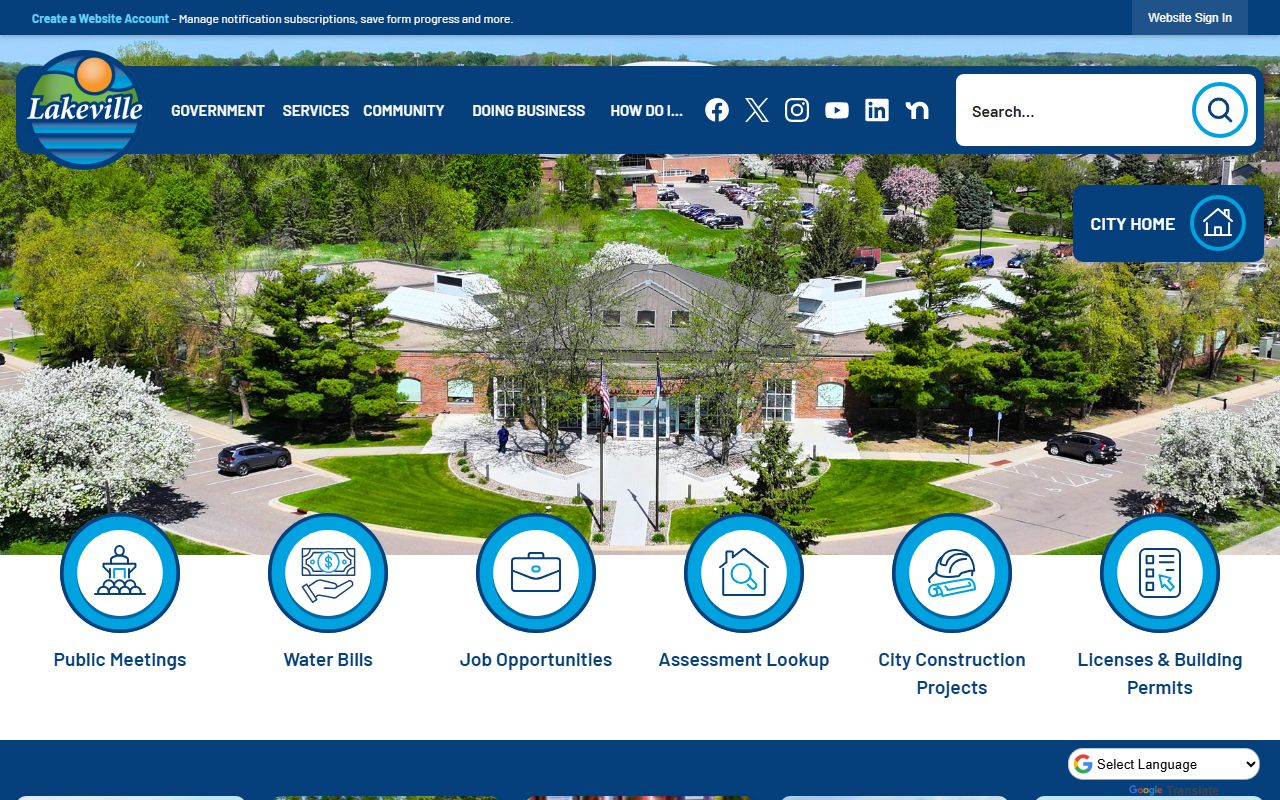
The city homepage links to the police department and lists contact numbers, online request options, and other city services. Check there for the most current address and hours before you visit in person.
To ask for a police report or other record, you can submit a request online through the city portal, mail a written request, or go in person. Staff at the department can help you find the right form and tell you what info you need to include. You will typically need the date, names, and a case number if you have one.
What Police Records Include
Under Minn. Stat. 13.82, law enforcement agencies in Minnesota must make certain data public. This includes arrest records with the name, age, sex, and address of the person arrested, plus the charge, the date of arrest, and the place of arrest. Booking photos are also public. These rules apply to the Lakeville Police Department just as they do to any other agency in the state.
Not all data is open. Active investigation files are confidential under the same law. If a case is still open, the department can hold back details that might affect the outcome. Once a case is closed, more of the file may be released. If you ask for a record and get a denial, the agency must tell you why and cite the specific law that applies.
Incident reports cover a wide range. They may include calls for service, property crime reports, traffic stops that led to a citation or arrest, and other events officers responded to. You do not have to be a party to the case to ask for public data. Anyone can request public police data.
How to Request Records
The standard way to ask for records from the Lakeville Police Department is to submit a data request in writing. You can do this by email, by mail, or in person at the department. The city website lists the preferred method and any forms you may need. Having a case number or incident number speeds things up, but it is not always required.
Under Minn. Stat. 13.03, you can inspect public government data for free. If you want printed copies, the fee is $0.25 per page for the first 100 pages. After 100 pages, the agency can charge actual cost. Electronic copies may be priced differently. Ask about fees before you request a large file so you know what to expect.
The agency must respond to your request promptly. For requests made in person, the response should come the same day if the data is available. For written requests, the agency has a reasonable time to reply, though state guidance suggests a response within 10 business days for most situations. If there will be a delay, they should tell you why.
Online Records Search
Minnesota offers a statewide court records system that is free to use. The Minnesota Court Records Online portal at publicaccess.courts.state.mn.us lets you search by name or case number. You can see party names, charges, court dates, and case status for criminal and civil matters. This is a good first step when you want to check if someone has been charged or convicted.
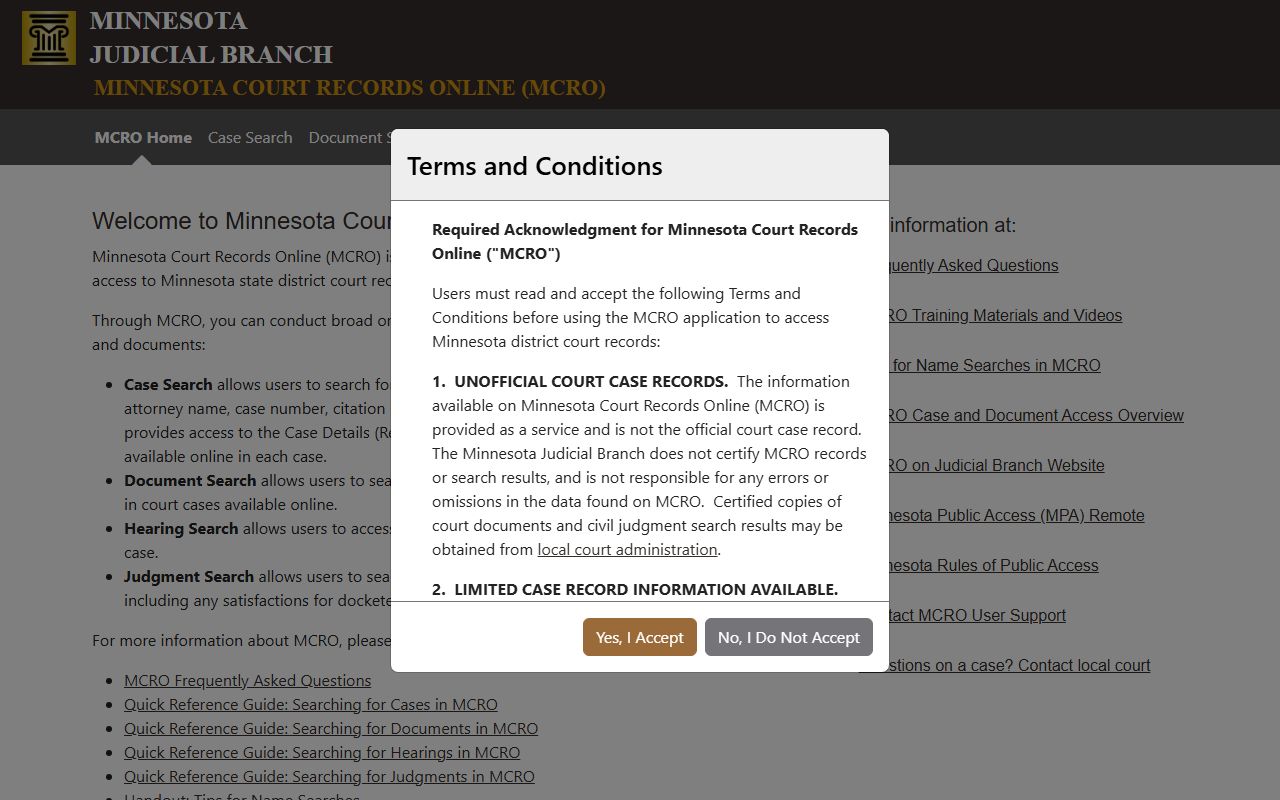
The court records portal is managed by the Minnesota Judicial Branch. It covers cases filed in all 87 counties, so a search here can turn up cases from courts across the state, not just Dakota County. Keep in mind that court records and police records are not the same thing. Court records come from the court system; police records come from the department. You may need both to get the full picture.
MCRO does not show all case details online. Some documents require an in-person visit to the courthouse. For full case files or certified copies, contact the First Judicial District Court in Dakota County.
Criminal History and BCA Background Checks
For a formal background check on someone, the Minnesota Bureau of Criminal Apprehension (BCA) is the right place to go. The BCA holds the state's central criminal history repository and can run checks on individuals for a fee. You can reach the BCA at 651-793-2400, option 7, or visit BCA background checks online.
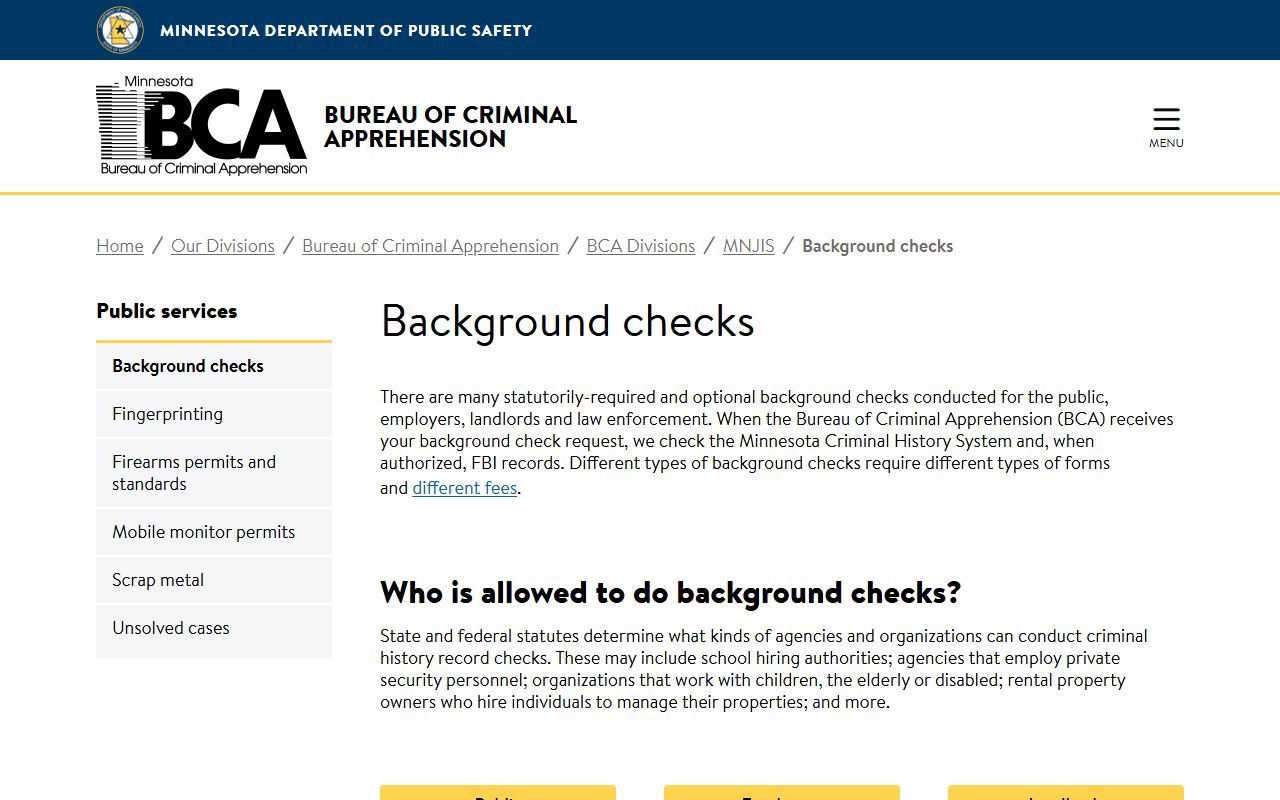
Under Minn. Stat. 13.87, criminal history data held by law enforcement is classified. Parts of this data are private, but some basic information is public. The BCA can tell you what is available and what you need to provide to run a check. Checks used for official purposes, like those for licensed professions, follow different rules than informal requests.
The BCA serves all agencies in Minnesota and is part of the Department of Public Safety. For records related only to the city of Lakeville, the local police department is the better contact. For statewide criminal history, the BCA is the place to call.
Your Rights Under Minnesota Data Law
The Minnesota Government Data Practices Act (MGDPA) under Minn. Stat. 13.025 sets the rules for how government data must be handled and shared. Public data must be made available to anyone who asks. The agency cannot require you to say why you want the data or make you prove you have a reason to ask.
If you are asking about data that is about yourself, Minn. Stat. 13.04 gives you special rights. You can ask to see any data the agency holds about you, ask for a copy, and ask them to correct data that is wrong. The agency must tell you what data they hold, why they collected it, and who else they share it with.
If the Lakeville Police Department denies your request, they must tell you in writing what law allows them to withhold the data. You can appeal a denial to the Minnesota Department of Administration, which runs the Data Practices Office. The office can review denials and issue opinions on whether the agency followed the law.
The 1st Judicial District Court
Lakeville sits in the 1st Judicial District, which covers Dakota, Scott, Carver, Goodhue, LeSueur, McLeod, Sibley, and Rice counties. Criminal cases from Lakeville are heard at the Dakota County Judicial Center in Hastings. If you need to check on the status of a case or get court documents, contact the court administrator there or search online through MCRO.
The courthouse in Hastings is also where you can get certified copies of court records, request expungement paperwork, and ask about sealing records. Expungement under Minnesota law can restrict access to certain criminal records, which means even public records may not show up in a search if a court has ordered them sealed. If you find that a record you expected to see is missing from a search, expungement may be the reason.
Dakota County Police Records
Lakeville is part of Dakota County, which also includes cities like Burnsville, Eagan, and Apple Valley. The county sheriff's office handles records for unincorporated areas of the county. For city-specific records, contact the Lakeville Police Department. For county-level records or court filings, visit the Dakota County page.
Nearby Cities
Other qualifying cities near Lakeville with police records pages include the following.